|
|
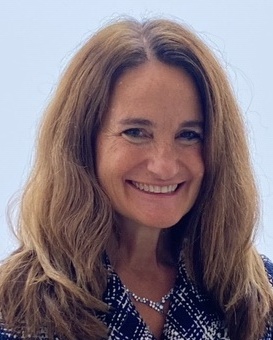
China's Reordered World Order
1/6/26
Elizabeth Economy
Dr. Elizabeth Economy will discuss China's ambitions to reshape the international system to align with its political, economic, and security interests. She will assess its success to date, what challenges it confronts moving forward, and how the United States should best respond. |
|
|
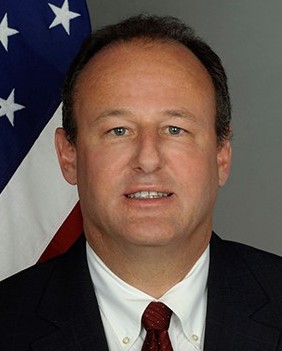
Russia, America and Ukraine in 2026: Where Do We Go From Here?
1/13/26
Eric Rubin
Amb. Eric Rubin will analyze Ukraine's ability to survive and keep fighting in the absence of significant U.S. support. He will also address the impacts the war has had on possible outcomes, and on U.S. relations with NATO, Europe (particularly the EU), and Russia, including the prospects for regime change there. |
|
|
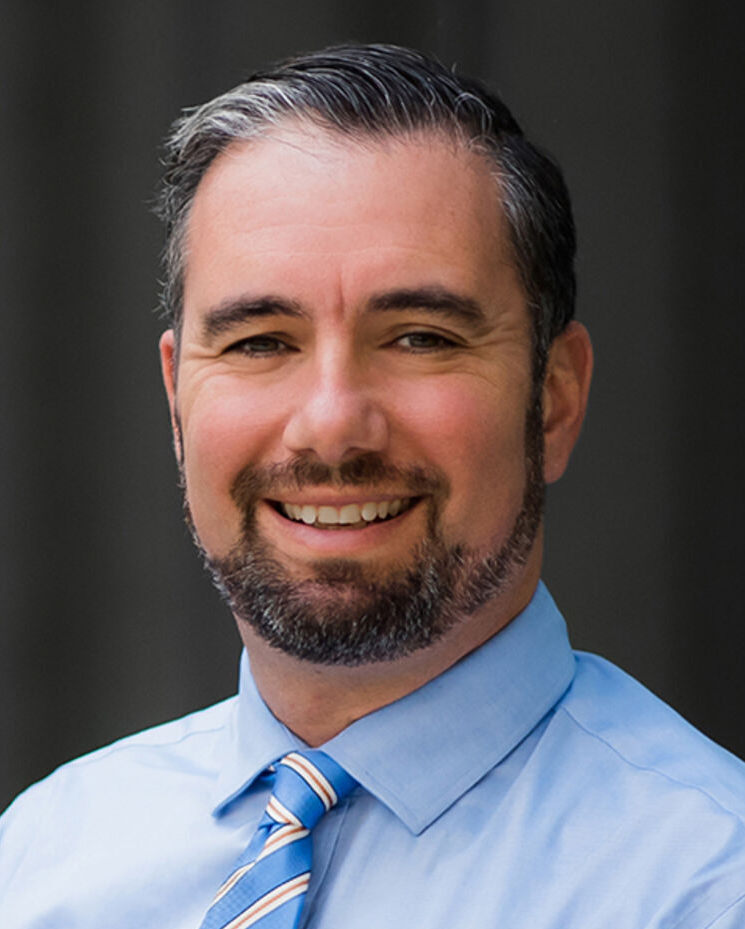
Understanding Nutrition in the Brain: B12 and Other Nutrients Role in Neurological Function
1/20/26
Ari Green
Dr. Ari Green will explore the vital role of vitamin B12 and other key nutrients in maintaining neurological function. He will highlight how nutritional deficiencies impact brain health and contribute to neurological disorders, emphasizing the importance of early detection and dietary interventions to support cognitive performance and prevent long-term neurological damage. |
|

|
U.S. Foreign Policy in a Turbulent World
1/27/26
Robert Lieber
America’s relations with its allies and adversaries are undergoing dizzying upheavals. Events in Venezuela, Iran, and Ukraine have been in the headlines, but solidarity with our European allies seems imperiled. We face a rearmed and predatory Russia along with an increasingly powerful China. Controversy about current U.S. foreign policy also reflects historic disagreements over America’s international role. Robert Lieber addresses these issues and fundamental questions about what the U.S. can or should do in the world. |
|
|
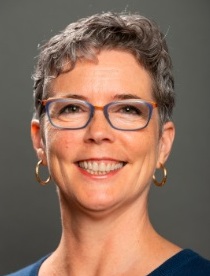
U.S.-Canada Relations: Friends? Partners? Allies?
2/3/26
Laura Dawson
The relationship between the United States and Canada is experiencing turbulence and uncertainty. What are the longer-term implications for the bilateral economic and security partnership? Does America First mean America alone? Dr. Laura Dawson will share her perspectives on how Americans and Canadians might re-align to create a strong and prosperous North America. |
|
|
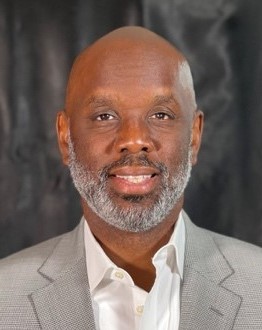
The Future of Health: What's Technology got to do with it?
2/10/26
Chris Gibbons
Dr. Christopher Gibbons will address advances in digital technologies which are reshaping society, promising a future of wealth, health and prosperity for all. At the same time, chronic disease rates are increasing, epidemics continue unabated, and healthcare is increasingly out of reach for many Americans. Is technology really the future of health? |
|
|
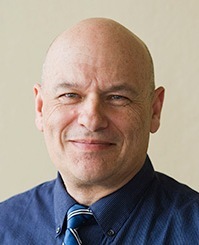
Artificial Intelligence: A Cognitive Revolution Is Upon Us
2/17/26
Anatoly Temkin
In this non-technical talk, Dr. Anatoly Temkin will explain AI in simple terms. He will discuss neural networks and machine learning, and explore how AI is changing fields like education, healthcare, and beyond. He will also focus on Generative AI (like ChatGPT) and how these technologies are shaping the future. |
|
|
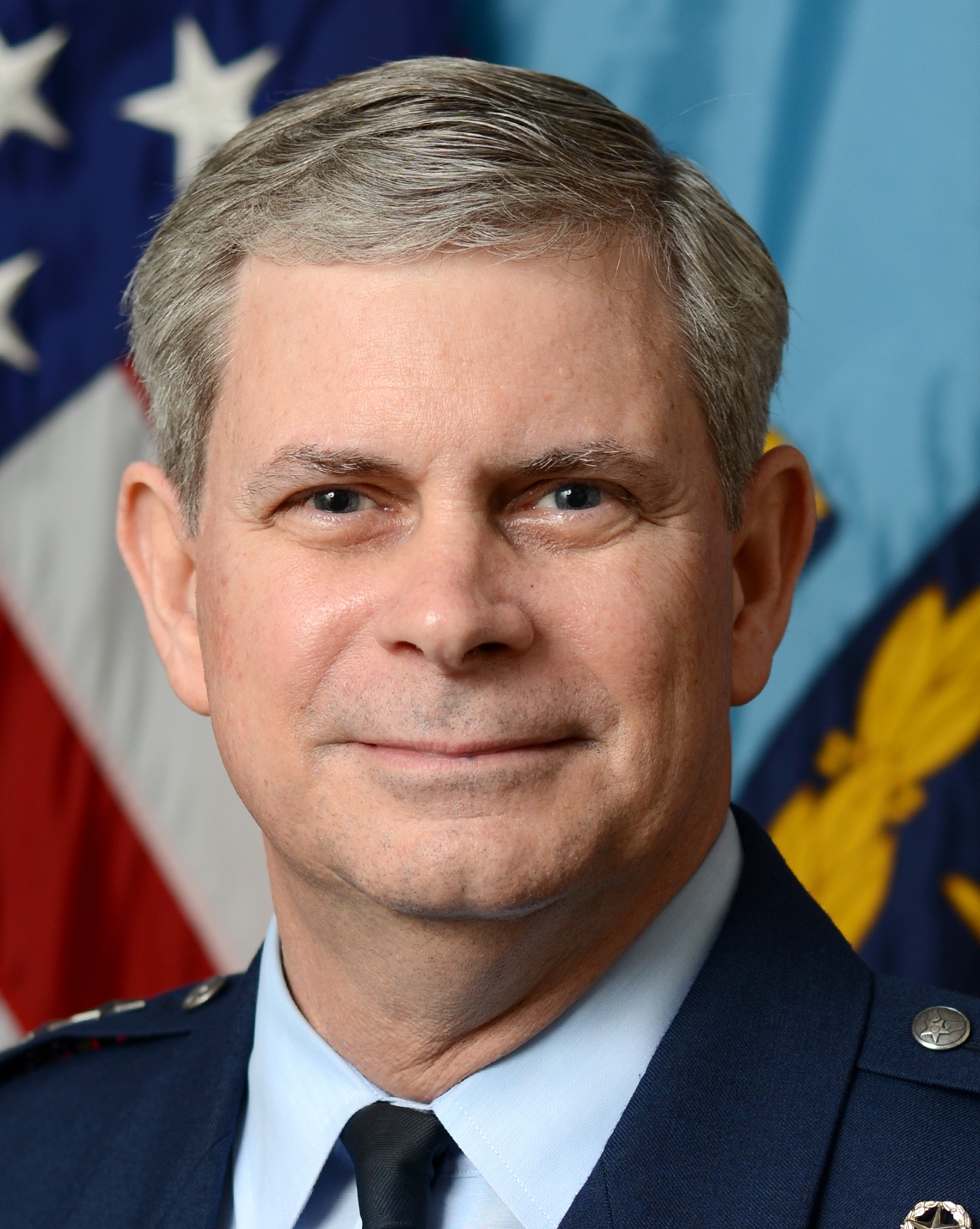
This Means War!
2/24/26
Mike Plehn
Have you ever wondered how wars start...how they're fought...and how (and why) they end? Please join retired Lt. Gen.Mike Plehn, former President of the National Defense University, for this in-depth discussion on the history, theory, and methods of war, ranging from ancient Greece to the current conflict in Ukraine. |
|
|
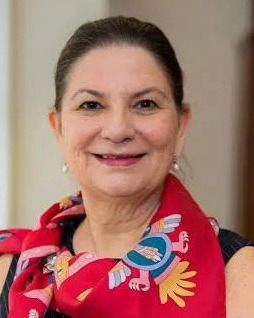
U.S.-Mexico Relations In Turbulent Times
3/3/26
Barcena Coqui
U.S.-Mexico relations are always complicated. However, the Trump Administration has made it even more difficult because of new policies on immigration, trade, and other issues. Amb. Bárcena Coqui will analyze turbulent situation based on her experience with the first Trump Administration and her ongoing consultations on U.S.-Mexico relations. |
|
|
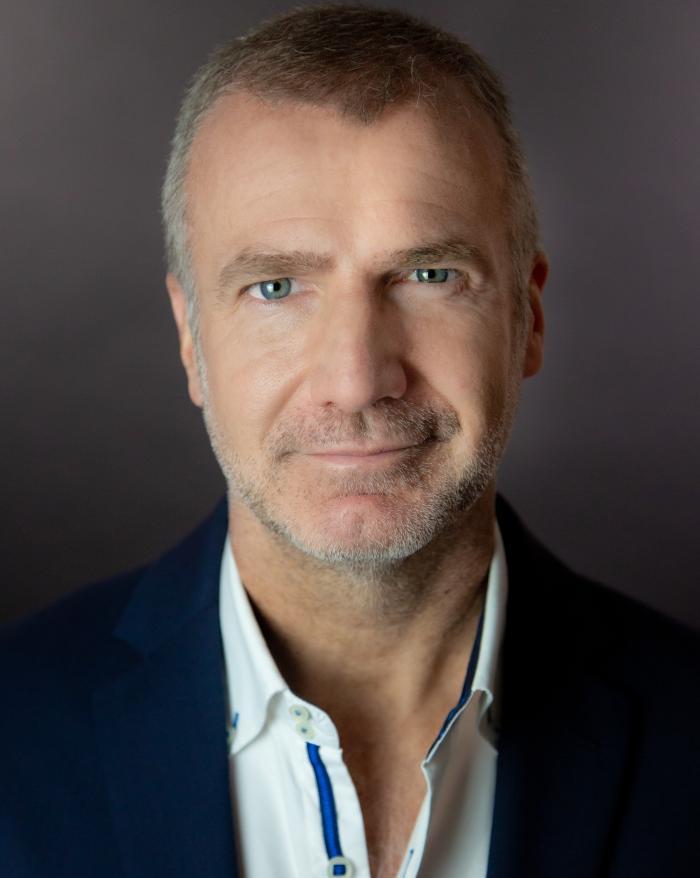
Understanding Artificial Intelligence
3/10/26
John Blevins
John Blevins will teach us Machine Learning, Deep Learning, Neural Networking, and Artificial Intelligence in a simple, easy-to-understand, educational lecture format. Come prepared to learn. With our new understanding, he’ll then explain how AI is impacting our retirement portfolios, as well as the global business community at large. |
|

|
AI in Healthcare: What Patients Need to Know
3/17/26
Brooke McSwain
Brooke McSwain will provide an overview of the current AI healthcare landscape - the technical, ethical, and legal issues that government and healthcare providers are working on to answer how AI could transform public health systems, including what individuals need to know to be responsible consumers of AI enabled healthcare. |
|
|
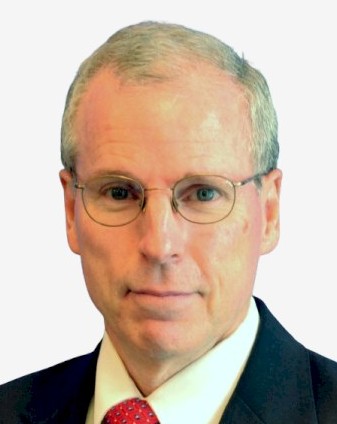
Will the Levant Finally See Calm?
3/24/26
Robert Ford
New governments in Syria and Lebanon are dealing with tensions with Israel. Elections in Iraq may create a government freer of Iranian influence. Is the Levant turning a corner or are new challenges, and old ones, likely to generate still more war, instability and terrorism? Amb. Robert Ford will discuss. |
|

